
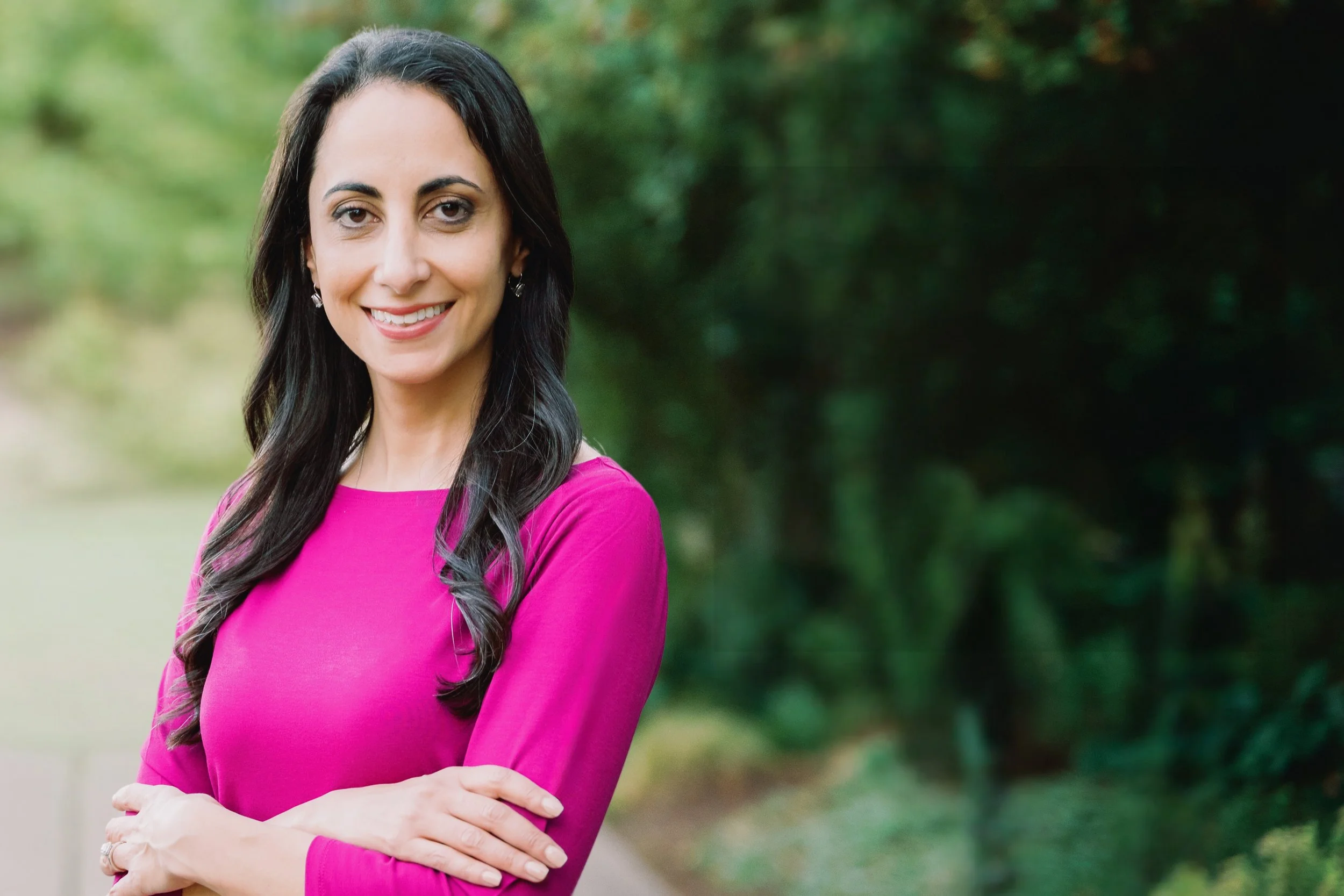
“My commitment to service is deeply rooted in my early experiences and an enduring sense of responsibility to my community.”
Meet Iman
When I talk about the American Dream, it isn’t some trite or cliche political phrase I throw around. It is my family’s story and it’s my mission to make sure everyone has a fair shot at the American Dream.
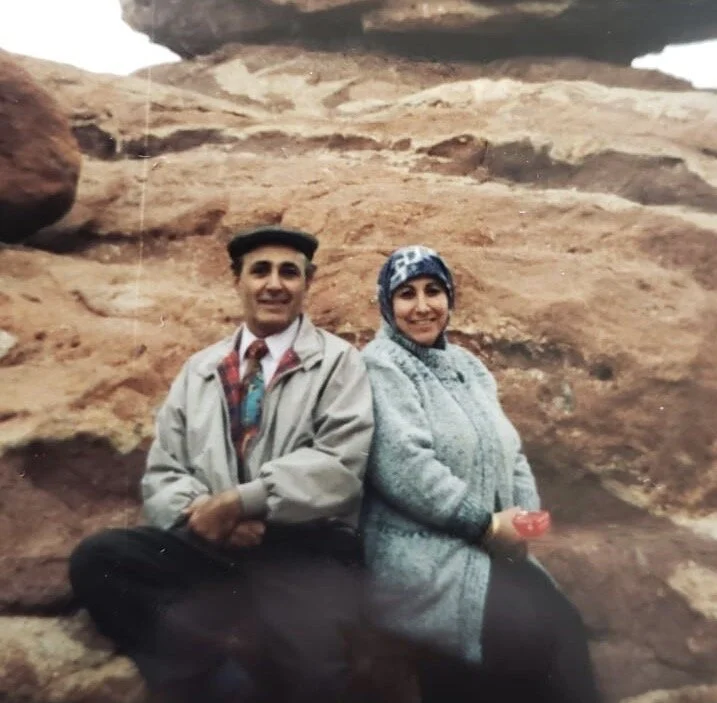
Their Dream, My Duty
My parents, Mohamad and Siham, came to Colorado from Palestine in 1974 as refugees and immigrants, carrying little more than hope and a dream for safety, freedom, and a better life. They were chasing what so many before them had sought: the promise of the American Dream, and they found it.
For 50 years, they poured everything they had into their community, building small businesses, raising four kids, and anchoring a life grounded in community service and purpose. They gave without asking. They worked without rest. And they never lost sight of the opportunity they had been given.
I’m in awe of what they built. From nothing, they gave my siblings and me everything: stability, belonging, and the chance to grow up with pride in both our Palestinian heritage and where we are now. In Aurora, I was shaped by our public schools, Ponderosa, Prairie, and Overland, where I learned, played, and dreamed like any other Colorado kid. We played sports, explored the mountains, and cheered on the Broncos every Sunday.
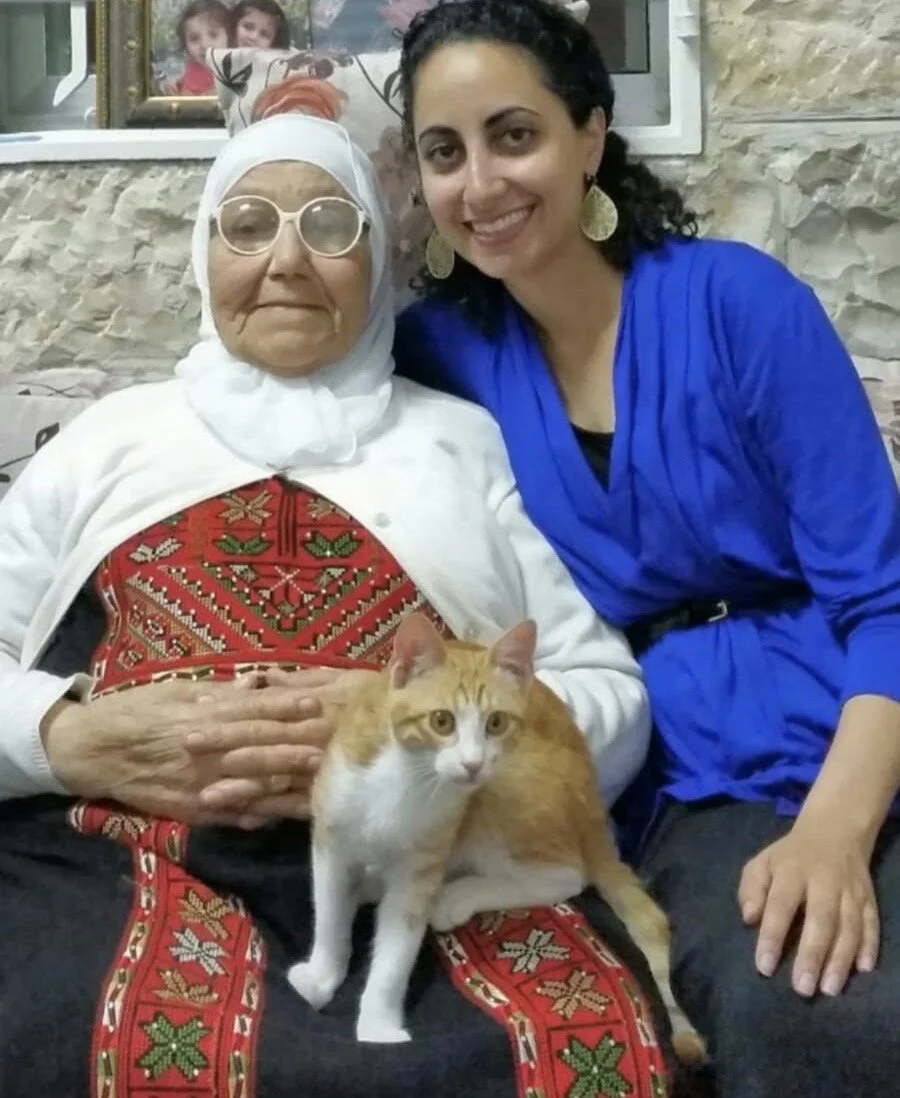
Heritage and Hope
It’s never lost on me how different my life could have been if my parents hadn’t made it to Colorado with nothing but determination. Because of them, I was raised in safety and surrounded by opportunity, but we never forgot where we came from.
Summers in Palestine were filled with joy, laughter under the olive trees at my grandparents’ home, but also marked by the harsh realities of occupation: checkpoints, military presence, and families torn apart. It was a jarring contrast to life I knew back home in Aurora.
Those experiences opened my eyes. They showed me that the injustice I saw in Palestine echoed in the struggles of marginalized communities here in Colorado. That realization planted the seed for my lifelong fight for justice, equity, and to be a voice for those too often silenced, both in the community and as a lawmaker.
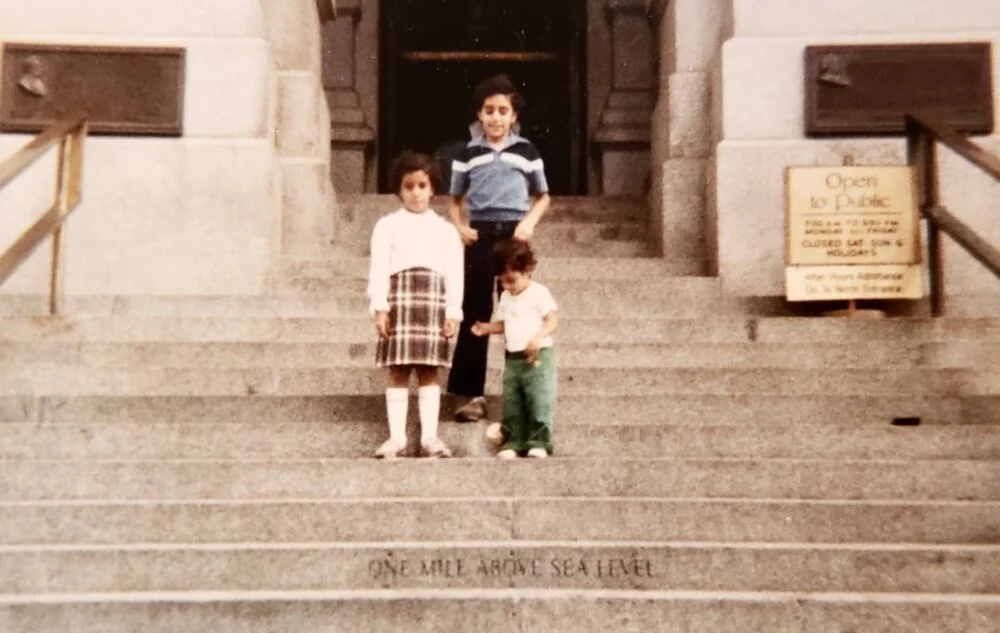
From the Corner Store to the Capitol
Working in our family deli didn’t just shape me, it formed the foundation of who I am. At eight years old, while other kids spent weekends at playdates, I stood on a stool to ring up customers. By 13, I could help run the deli and still keep up with school. It wasn’t always easy, but I wouldn’t trade those lessons for anything because they gave me a perspective far beyond my years.
Oasis Deli, blocks from the Capitol, wasn’t just our family’s small business; it was a window into the world. As a child, it was where I first saw the dignity in hard work, the power of community, and the beauty in people’s differences.
That little corner store taught me more than any classroom ever could. Serving people from all walks of life instilled in me a deep sense of fairness, where discrimination doesn’t just feel wrong, it feels unimaginable. It taught me how to lead with empathy, listen without judgment, and hold space for people from every background.
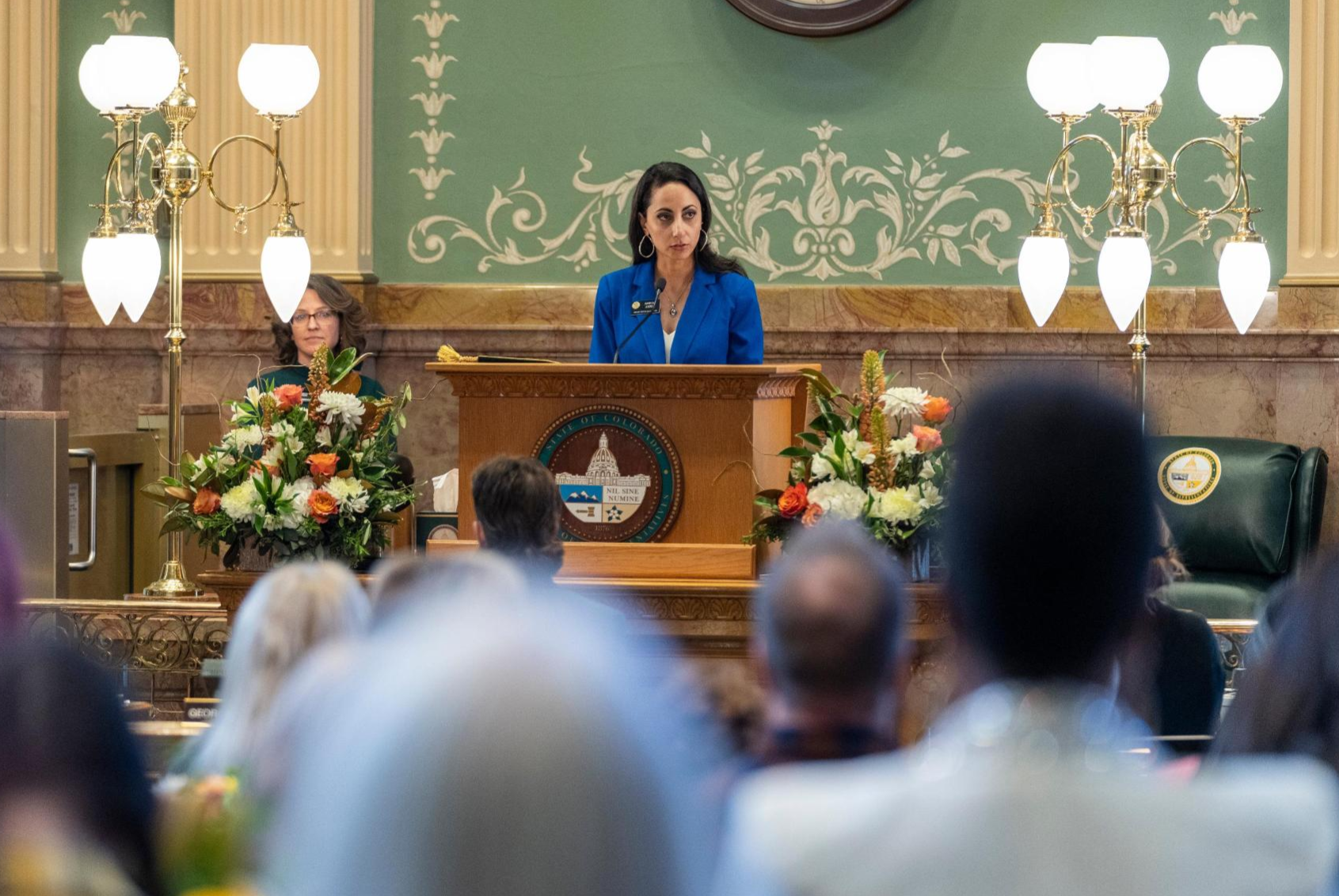
Where Conviction Meets Community
In 2008, I founded Meet the Middle East (MTME), a nonprofit rooted in the belief that education can bridge the gap between the U.S. and the Middle East. For over a decade, I led Coloradans through one of the world’s most misunderstood regions, using education and immersive travel to replace fear with connection and to humanize stories too often ignored. MTME taught me that education, especially when grounded in lived experience, has the power to shift narratives, open hearts, and ignite lasting change.
That lesson became even more urgent in 2017, as anti-Muslim rhetoric surged nationwide. In response, I stepped into a new role as the first female spokesperson for the Colorado Muslim Society, the largest and oldest mosque in the Rocky Mountain region. There, I used my voice to advocate for inclusion and dignity, particularly for communities too often spoken about but rarely spoken with. It was a continuation of the same mission: making the invisible visible, and the misunderstood understood.